It started as a business card.
A single page with an address, opening hours, and a few photos. Maybe a short story about the founders. A menu in PDF. A phone number for reservations.
That was the website. And for a while, that was enough.
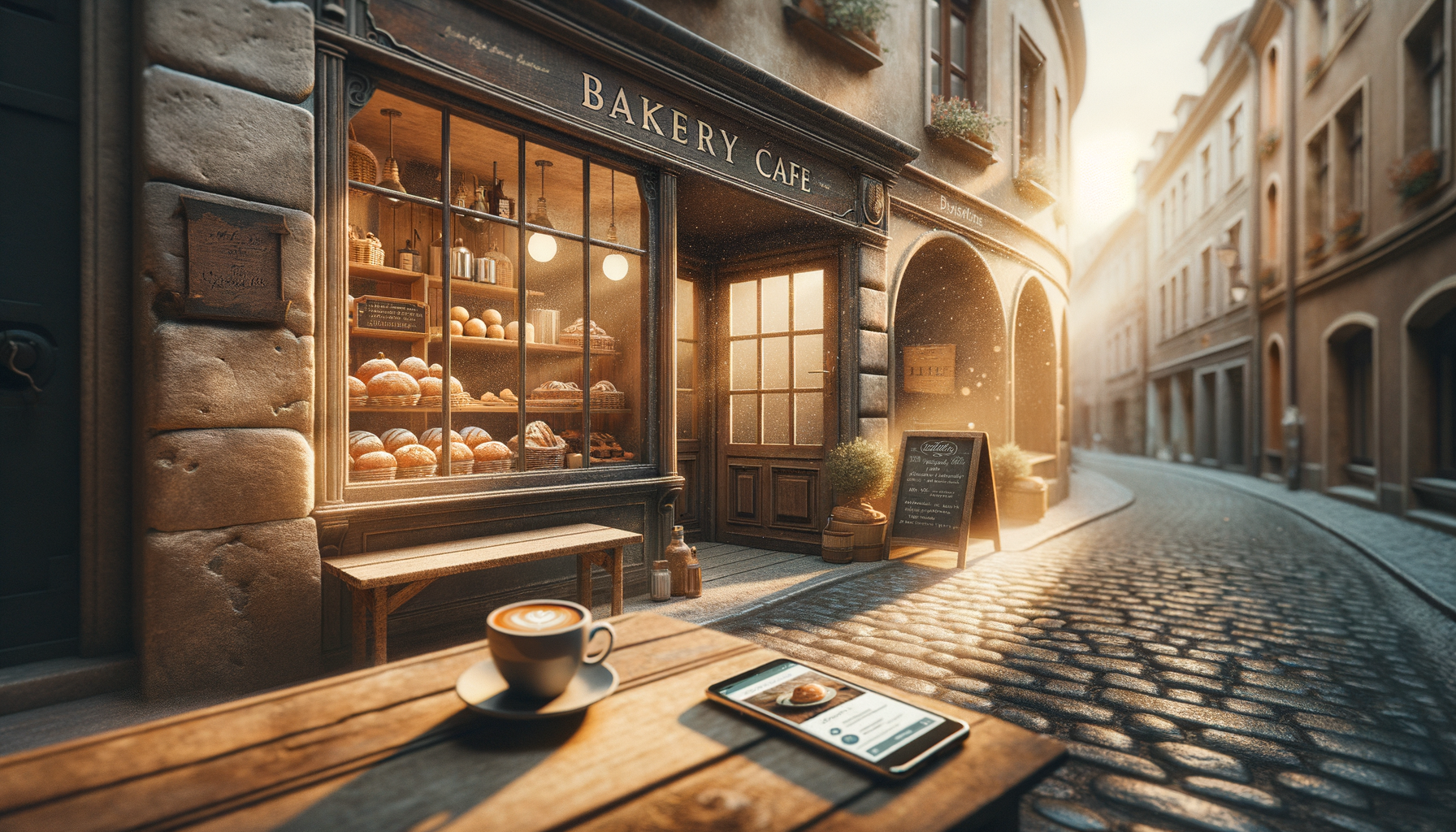
A small bakery on a quiet street. The kind of place people find by walking past, noticing the smell, stopping to look through the window. Word of mouth did the rest. The website existed mostly because someone said it should.
Then, gradually, things changed.
A regular customer asked if they could order a cake online. Then someone else wanted to pre-order bread for the weekend. Then a corporate client needed catering for an event and wanted to browse options without calling.
Each request was small. Each one was easy to say yes to.
So the website grew. A contact form. An order form. A product catalog with photos. Then online payments, because people kept asking. Then delivery options, because competitors had them.
No one sat down and decided to turn the website into the business. It just happened — the same way most important things happen in small companies. One small step at a time, without ever stopping to look at the full picture.

At some point, the numbers shifted.
More orders came through the website than through the door. Weekend pre-orders became the main revenue driver. The phone still rang, but mostly from people who had already seen the menu online and just wanted to confirm a detail.
The website was no longer a business card. It was the storefront, the order desk, and the cash register — all at once.
But it was still being maintained the same way it had been from the beginning.
The same freelancer who built the original page was still "looking after it." Updates happened when something broke. The hosting was the cheapest available — the one chosen years ago when the site was a single HTML page with three photos.
No one had revisited the setup, because no one had noticed the moment when the website stopped being an accessory and became infrastructure.
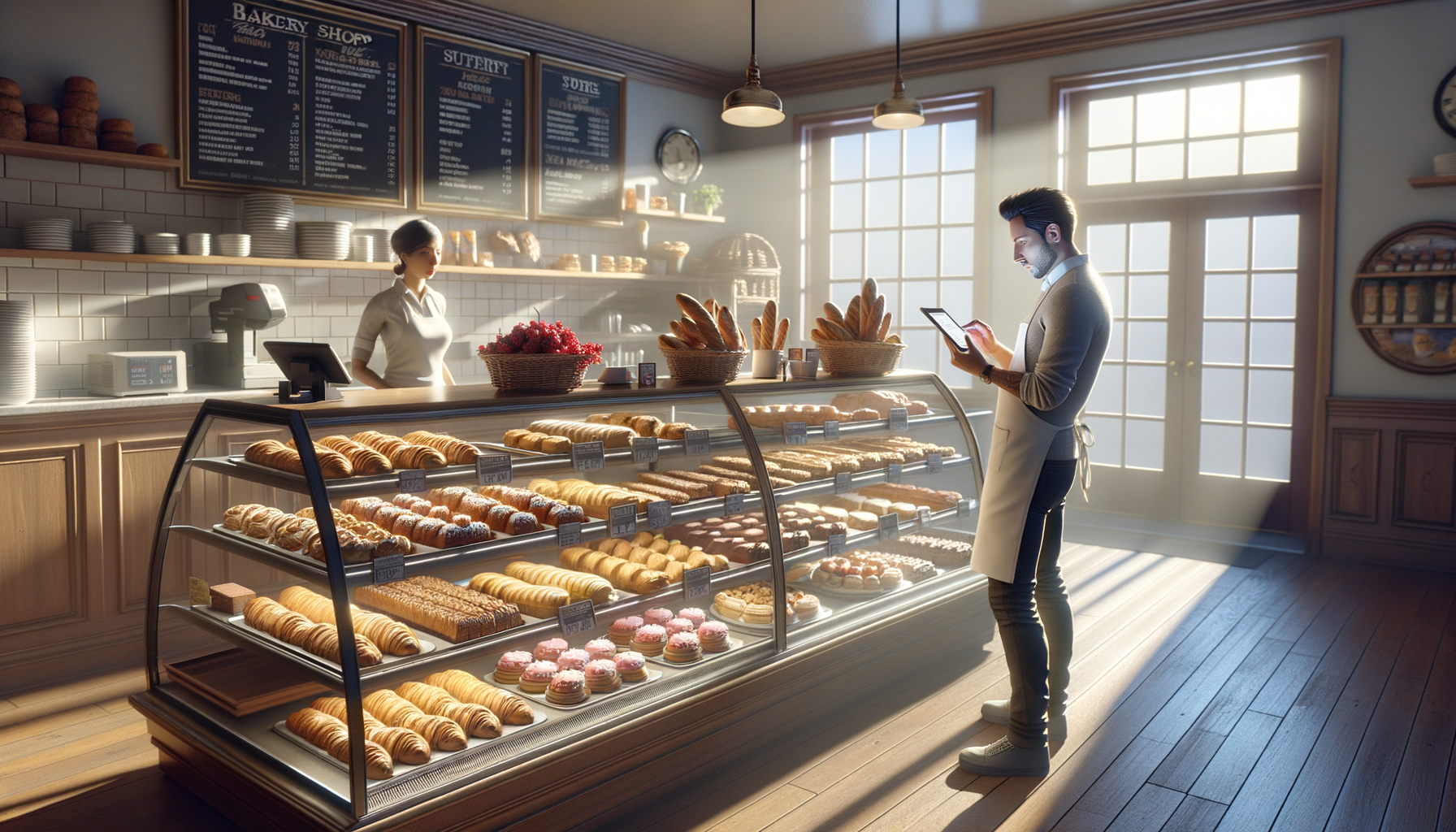
The uncomfortable discovery usually comes on the worst possible day.
A Friday evening. Or a holiday weekend. The site goes down — maybe the hosting had an issue, maybe a plugin update broke something, maybe the SSL certificate expired and browsers started showing a warning.
The phone number of the freelancer. No answer. A message left. Another message. A text. Silence.
Meanwhile, orders aren't coming in. Customers see an error page — or worse, a security warning — and leave. Some of them call, confused. Most of them don't. They just go somewhere else.
By the time someone figures out how to fix it — or finds someone who can — the damage isn't just technical. It's a lost weekend of revenue. It's customers who tried once, failed, and won't try again.
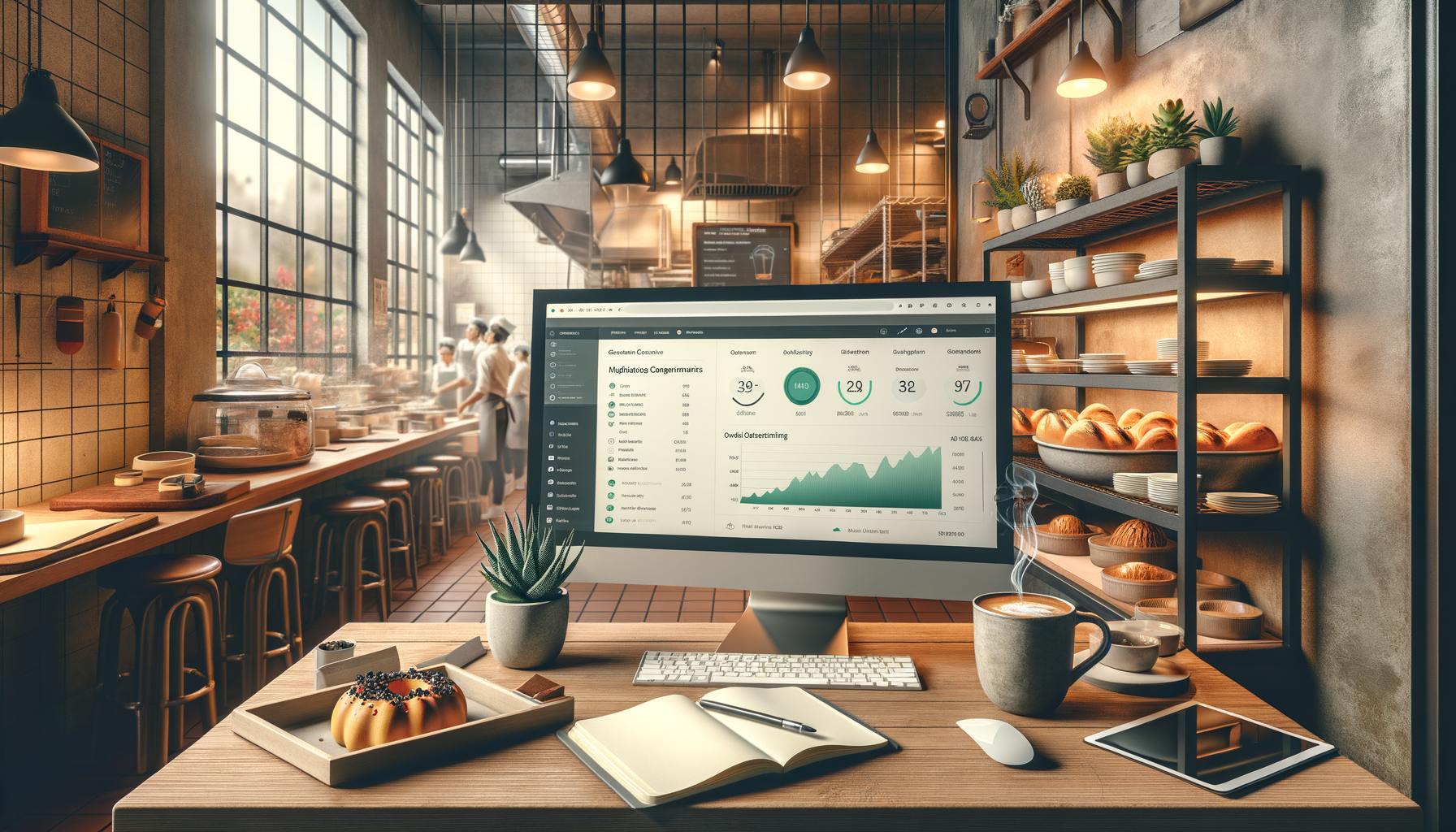
The morning after is always quiet.
The kitchen prepared everything. The display is full. The staff showed up. But the orders that normally fill the first half of the day — the ones that come in overnight, the pre-orders, the scheduled pickups — didn't arrive.
And then the question: how did we get here?
The answer is simple. The website grew, but the way it was managed didn't. The business evolved around a digital channel without ever treating it as something that needs the same reliability as a physical location.
No one would leave the front door of a bakery without a working lock. But the digital front door — the one that most customers actually use — was held together with the digital equivalent of tape and hope.
Not because anyone was careless. But because the transition happened so slowly that no one noticed it was a transition at all.
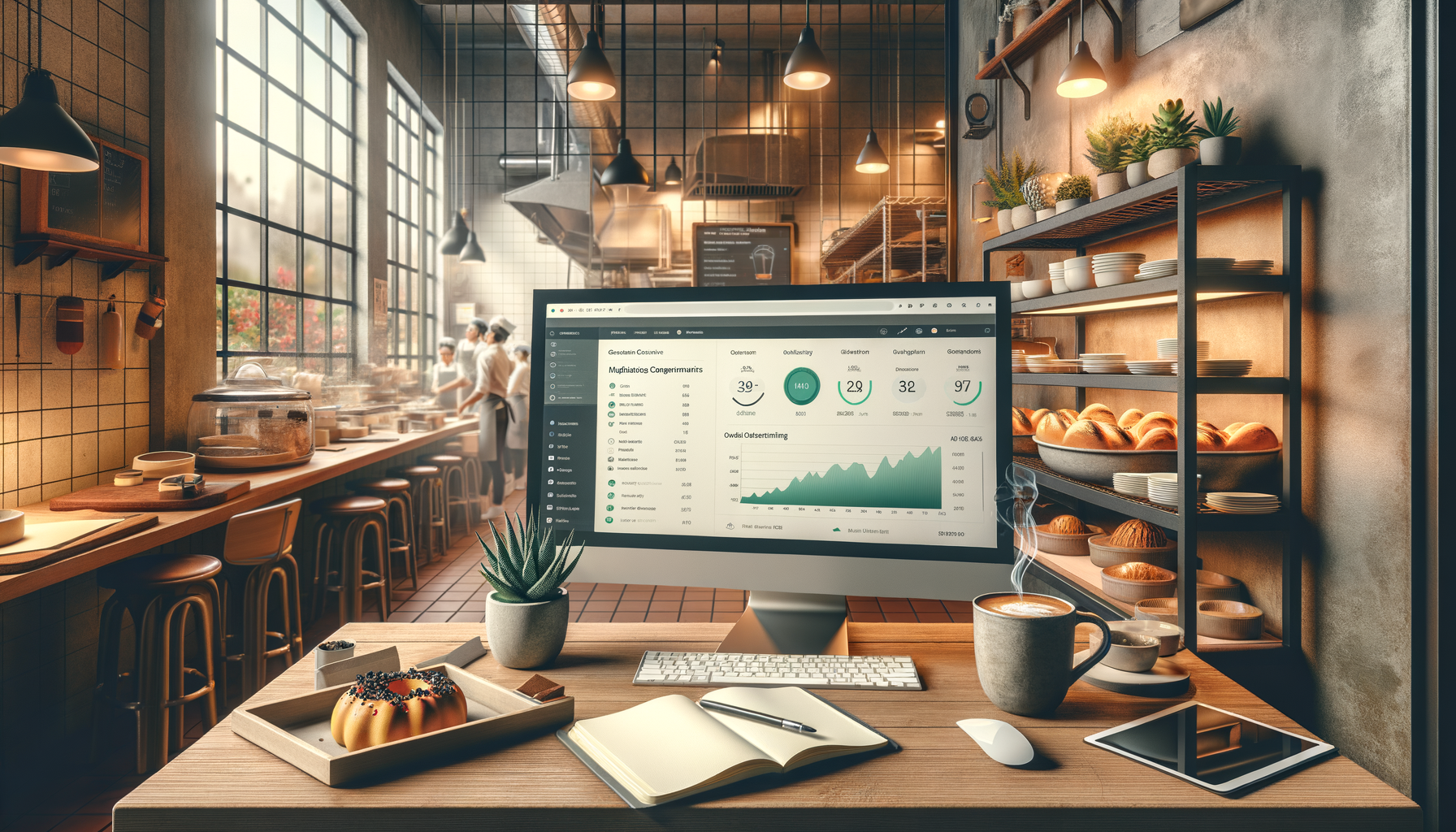
When the website is finally treated as what it is — a critical part of the business — the change is usually quiet.
Proper hosting. Monitoring that sends an alert before customers notice a problem. Backups that actually run. Someone who answers the phone — or better yet, someone who makes sure the phone doesn't need to ring.
It's not about building something bigger or more complex. It's about matching the importance of the tool to the way it's cared for.
A bakery that gets two hundred orders a week through its website isn't running a hobby page. It's running a digital operation. And digital operations need the same attention as ovens, refrigerators, and rent.
The strange thing is, once that recognition happens, it rarely costs much more than before. The difference isn't usually in the budget. It's in the mindset.
The website isn't "also" part of the business.
It is the business. And it has been for a while.
All images used in this article are fictional and were generated by AI. They do not depict real people, businesses, or situations.